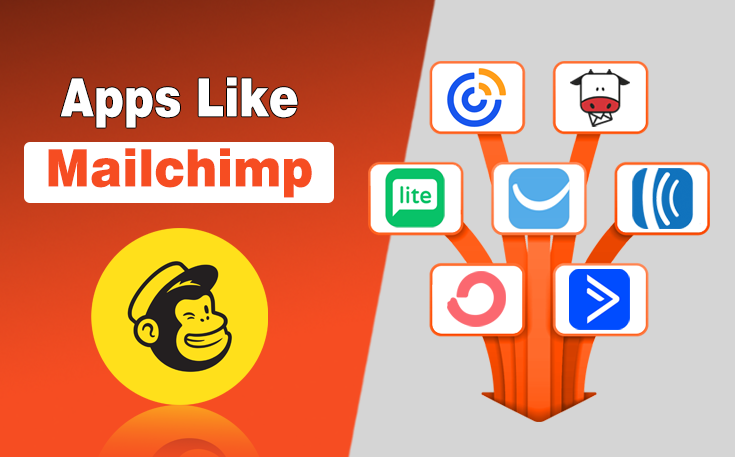
Mailchimp is often the first email marketing tool, but in 2026, businesses are looking for top Mailchimp alternatives that offer better automation, fairer pricing, or simpler workflows. The best apps like Mailchimp are Constant Contact, Moosend, MailerLite, GetResponse, AWeber, ConvertKit, ActiveCampaign, Brevo (formerly Sendinblue), HubSpot Email Marketing, and Drip.
Each of these platforms focuses on a specific strength, whether it’s ease of use, advanced automation, creator-focused email tools, or built-in CRM features. In this guide, I have mentioned the features, pricing value, and usability of these apps so you can actually make an informed decision.
What is Mailchimp?
Mailchimp is a popular email marketing platform that helps businesses, bloggers, and creators design, send, and manage email campaigns.
It provides tools for creating visually appealing newsletters, automating email sequences, and tracking campaign performance through detailed analytics. Users can segment their audience, personalize messages, and integrate the platform with websites, eCommerce stores, and other marketing tools.
Known for its beginner-friendly interface, Mailchimp offers free and paid plans, making it accessible to small businesses and startups. Over the years, it has become one of the most widely used email marketing services worldwide for growing and engaging audiences effectively.
Top 10 Best Apps Like Mailchimp for Better Email Marketing
List of 10 Best Apps Like Mailchimp
- Constant Contac
- Moosend
- MailerLite
- GetResponse
- AWeber
- ConvertKit
- ActiveCampaign
- Brevo (Formerly Sendinblue)
- HubSpot Email Marketing Tool
- Drip
When I first started email marketing, Mailchimp felt overwhelming after a point. The pricing seemed to rise quickly and some features I needed were locked behind expensive plans. I know many business owners, bloggers, and marketers feel the same frustration. You might want better automation features, smoother integrations with your site, or a pricing plan that doesn’t break the bank as you grow your list.
So I created this list of the top alternatives to Mailchimp with three things in mind:
- Usability
- Affordability
- Powerful features
Below, I explain each alternative in a way that helps you decide which one might fit your unique needs. I will break down the major features, pros, cons, and who should consider each tool.
1. Constant Contact
Constant Contact is often one of the first names people think of when they consider Mailchimp alternatives. It is simple to use, beginner-friendly, and offers solid support. If you are new to email marketing, Constant Contact can feel more intuitive compared to Mailchimp. The dashboard is clean, and setting up your first campaign doesn’t take long.
What I Like About It?
One thing I really appreciate is how well Constant Contact lets you through every step. You get templates that are easy to customize and automation features that are straightforward. They also provide live support, which was a lifesaver when I first started exploring email marketing.
Who Should Use It?
If you are a small business owner, blogger, or someone who prefers hands-on guidance and easy setup, this is a great fit. The pricing is more predictable and transparent, which makes planning your budget simpler.
2. Moosend
Moosend is a powerful and affordable app like Mailchimp that focuses on automation and simplicity. I found it especially helpful for businesses that want professional-looking campaigns without a steep learning curve.
What I Like About It?
The platform comes with an intuitive drag-and-drop editor, pre-built automation workflows, and advanced segmentation tools. I also appreciate how Moosend provides detailed analytics, so you can see exactly how your campaigns perform and optimize them easily.
Who Should Use It?
Small businesses, eCommerce stores, and creators who want strong automation features at an affordable price will find Moosend ideal. If you are looking for a platform that grows with your list without costing a fortune, this is a great choice.

3. MailerLite
MailerLite is a clean, simple email marketing platform that focuses on ease of use. Over the years, I’ve recommended MailerLite to many friends who just needed a no-nonsense email tool with powerful features.
What Makes It Different?
The interface is extremely minimalistic but effective. You get automation, landing pages, and even popups without paying extra. If simplicity is your priority, MailerLite is one of the best options out there.
Ideal Users
I always suggest this to creators, bloggers, and small businesses who want essential email marketing features without confusion. If you’ve ever felt lost in complicated tools, MailerLite might be your perfect match.
4. GetResponse
GetResponse feels like a tool that grows with you. It is more than just an email marketing platform. You get webinars, landing pages, and automation all in one place. For many years, I used GetResponse for campaigns that needed more than basic emails.
What I Appreciate?
The webinar feature is something you won’t find in most email tools unless you pay extra. The automation workflow is intuitive and allows for complex campaigns with ease. You can also build landing pages directly within the platform.
Best For
This is ideal if you plan to scale beyond simple email campaigns. Entrepreneurs, digital product creators, and service providers will benefit from the extra features like webinars and full automation.
5. AWeber
AWeber is one of the oldest email marketing tools, and it remains popular because of its dependability. I’ve seen users stick with AWeber for years simply because it works reliably without unnecessary complexity.
Why Consider AWeber?
You get a generous template library, automation tools, and intuitive reporting. The drag-and-drop email builder makes creating campaigns fast and painless. Even if you are not tech-savvy, AWeber keeps things straightforward.
Who Should Use It?
If you want a stable tool with a long track record and easy tools for email creation and automation, AWeber is a solid choice. It’s especially worth considering if support quality is important to you.

6. ConvertKit
ConvertKit is one of the most praised tools by creators and bloggers. I personally switched to ConvertKit during a phase when I needed simpler automation and better tagging options to segment my audience.
What Makes It Special?
The focus here is on audience management and automation that makes sense for creators. ConvertKit uses tags and sequences which gives you powerful control over how you segment and nurture your subscribers.
Who It’s For?
If you’re a blogger or creator looking to build strong connections with your audience through targeted campaigns, ConvertKit excels. The learning curve is gentle, and the automation flows are easy to set up and manage.

7. ActiveCampaign
ActiveCampaign is often considered one of the most powerful email marketing and CRM tools available. If you need advanced automation and detailed customer tracking, this is where Mailchimp alternatives start to look serious.
The Power of Automation
I like how granular you can get with ActiveCampaign. It is not just about sending emails; it is about creating customer journeys with logic based on actions, tags, and events. If you want automation that reacts to behavior, this is a game changer.
Best Fit
ActiveCampaign is perfect for businesses that want deep personalization and automation. It is more complex than some of the other tools on this list, so be prepared for a learning curve.

8. Brevo (Formerly Sendinblue)
Brevo is actually the rebranded version of Sendinblue, but many people still know it by both names. I include it here because some users search for it separately, and it truly feels like a distinct option due to its focus on multichannel marketing.
Why You Might Like It?
Aside from email and SMS, Brevo lets you manage transactional emails if you are running an eCommerce store. It becomes both an email marketing and transactional email tool in one.
Who Should Try It?
If you run an online shop or want a tool that can handle both promotional and transactional messaging, Brevo deserves a look. The value is quite strong for the price you pay.

9. HubSpot Email Marketing Tool
HubSpot offers a free email marketing tool that integrates with their CRM. I often recommend HubSpot if you want email marketing tied directly to your contacts, deals, and sales pipelines.
What I Like About HubSpot?
The integration with CRM is what sets HubSpot apart. You can track every interaction and use that data to send smarter emails. Even the free tier allows you to build branded emails that look professional.
Best For
Small to mid-sized businesses that want email marketing deeply connected with their CRM and sales efforts will love this option. It’s especially useful if you are already using HubSpot for other parts of your business.
10. Drip
Drip is more than an email tool. It focuses on eCommerce and personalization. If you run an online store, Drip gives you advanced tracking and automation to tailor messaging based on customer behavior, purchases, and visits.
Why It Appeals?
I like how Drip sees the customer journey from start to finish. You can build workflows that react to what a shopper does, which is powerful for increasing conversions and revenue.
Ideal Audience
If you have an eCommerce business and want automation that boosts sales, Drip is a high-value choice. The pricing might be higher than simple email tools, but the ROI can be worth it.

How to Choose the Best Mailchimp Alternative for You?
By now, you might be asking which one is right for you. Let me break it down in simple terms.
- If you want something simple and budget-friendly, start with MailerLite or Constant Contact.
- If you want advanced automation that grows with you, ActiveCampaign, GetResponse, or ConvertKit are strong picks.
- For eCommerce stores, Brevo or Drip brings tools that integrate deeply with shopping behaviors.
Each of these tools has its strengths and weaknesses, so your decision should be based on what features matter most to your business. For example, do you want SMS included? Do you want CRM integration? Or do you want automation that reacts to customer actions? Answering these questions will make your decision easier.
Final Thoughts
Choosing the right email marketing tool is not just about replacing Mailchimp. It is about finding a platform that fits your business needs, budget, and growth plans. I hope this list of the best apps like Mailchimp helped you see what options are out there, from beginner-friendly tools to advanced automation solutions.
You do not have to be stuck with one option. Try a few on this list, test how they feel, and pick the one that helps you connect with your audience more effectively. At the end of the day, the right tool should help you send smarter emails and grow your business without unnecessary stress.
Need custom app with amazing features?
Get a Quote