Ever clicked on a Google notification expecting a great read, and closed it seconds later? That frustration shows how important trust is in online content. Readers don’t want recycled ideas or filler — they want clarity, honesty, and insights that actually matter.
Key Takeaways
- Fact-check sources, especially when using AI, to avoid misinformation.
- Don’t dangle hooks without answers. Provide value where expected to maintain reader trust.
- Short paragraphs, crisp sentences, and friendly tone improve readability, especially on mobile.
- Identify who you’re writing for and tailor tone, examples, and language to resonate with them.
- Avoid religious, political, or cultural bias. Transparency in promotional or opinion content builds credibility.
- Headlines should match the content. Authenticity beats sensationalism for long-term trust.
The web is crowded with articles that miss the mark, leaving audiences disappointed. To stand out, your writing needs to connect from the very first line and deliver genuine value.
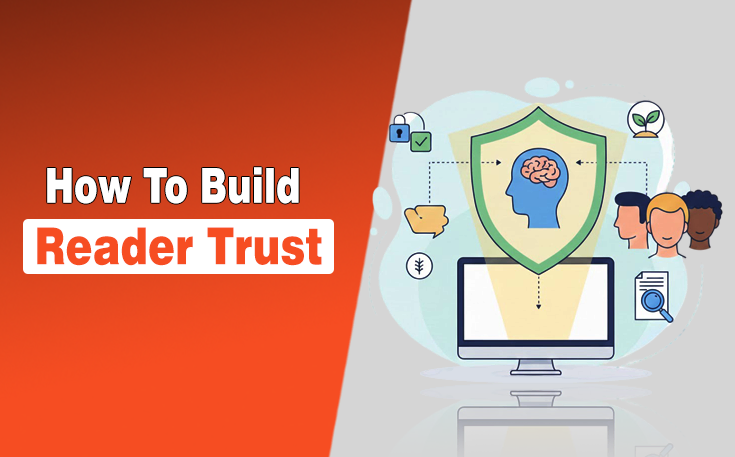
This blog post explains a few proven ways to build reader trust and keep them engaged in a world overflowing with copy‑paste content.

How to Build Reader Trust With Authentic Content
In the Beginning, There Was Research
If you are covering a topic in writing, you first need to know as much as you can about the subject. Having subpar knowledge of the topic will naturally bring down the quality of the content, and will make you that one person at the party who talks too much, without saying anything of value.
- Balance content and presentation: Half the success is your ideas; the other half is how clearly you deliver them.
- Research thoroughly: Take time to understand the topic deeply before writing.
- Use AI with caution: AI can hallucinate—always verify claims and data.
- Fact-check everything: Confirm sources and cross‑reference before publishing.
- Use AI wisely: Any good AI checker that can detect hallucinated content can help you at this step. But if you have the time to invest in organic research, that is always the best way to go.
Never Reaching the Promised Land
Ever read an article where there was a hook in the beginning, but even after reading the entire article, you never really got the answer? The feeling of having a carrot dangled in front of them throughout the journey can make the reader feel like a fool by the end.
- Avoid making hooks too long: Keeping readers waiting without delivering can make them feel cheated.
- Fulfill your promise: If you set up a destination in your writing, ensure you provide the answer or insight.
- Balance intrigue with trust: Place the answer to your hook around the middle, so readers stay engaged but don’t leave early.
- Build excitement responsibly: Keep readers curious while ensuring they feel rewarded for their time.
- Trust comes from delivery: Meeting expectations shows reliability and keeps your audience coming back.
Tantalize their Senses
This is the oldest trick in the game of writing. To make your readers trust you and your content, you must appeal to their senses. If you can capitalize on how they think and feel, and ignite their imagination, they will stay for the ride.
- Evoke multiple senses: Go beyond facts and engage sight, sound, touch, taste, and emotion in your writing.
- Easy with experiential topics: Food, music, and travel naturally lend themselves to sensory descriptions.
- Apply even to analytic topics: Add color, sound, and emotional cues when writing about complex subjects like finance or policy.
- Show creativity and depth: Sensory language demonstrates the skill of a seasoned writer who can make any topic engaging.
Be Readable But Not Shallow
When it comes to content tone, the best policy for trust is staying friendly, relatable, and inviting. No one likes to read words that sound automated and stoic. Choose a tone that is like a friendly neighbor, but do not sound too disrespectful and informal.
- Don’t overdo readability: Writing that’s too simplified or repetitive can feel shallow and meaningless.
- Value brevity: Saying more with fewer words shows authority and keeps readers engaged.
- Use short paragraphs and sentences: Mobile readers prefer crisp, clear text over long walls of words.
- Craft playful but purposeful headings: Headlines should be inviting while giving readers a clear idea of what follows.
- Use listicles wisely: Lists are helpful, but only when they genuinely fit the content — not as a shortcut.
Appeal to Your Audience
This may sound like a no-brainer, but appealing to your audience can make it or break it for you. But before you try to appeal to them, a little research is needed to determine who your audience is.
- Identify your audience: Before writing, determine who will find your topic relevant.
- Put yourself in their shoes: Imagine how they think, speak, and what they expect from the content.
- Match tone to audience: Use language and style that feels relatable to them, not out of place.
- Avoid mismatched jargon: Don’t use slang or technical terms that your readers won’t understand or connect with.
- Write with empathy: Embody your audience’s perspective to build trust and credibility.
Avoid Bias of Any Kind
Even when appealing to your niche audience, there is one thing you need to be aware of: harboring biases. To become a writer people can trust means you need to be someone who is not promoting one specific viewpoint.
- Avoid all forms of bias: Stay clear of religious, political, racial, ethnic, or gender-based prejudice.
- Respect diverse beliefs: What matters most is showing respect for perspectives different from your own.
- Don’t push a single viewpoint: Readers lose trust if content feels one-sided or agenda-driven.
- Be transparent in promotional writing: Product reviews and opinion pieces can be one-sided, but disclose this openly.
- Add disclaimers when needed: A simple line noting “this is promotional content” helps maintain credibility.
- Warn readers in opinion columns: Upfront honesty about bias or perspective builds trust and sets expectations.
Say No to Clickbaits
In 2026, it’s time to avoid the clickbait and opt for more organic headlines. If you want your audience to trust you, your headings must match the content.
Don’t be like the tabloids that survive on clickbait headlines, because that is also the reason why such news portals are dying out.
- Authenticity matters more than ever: With AI flooding the web, readers crave genuine, trustworthy content.
- Avoid sensationalism: Overusing flashy or exaggerated words may attract clicks but won’t hold attention.
- Be relevant, not loud: Headlines should spark interest by matching the topic, not by misleading hype.
- Deliver on promises: Ensure your content fulfills what the title and headings suggest to build credibility.
Honesty Really Is The Best Policy
Doesn’t matter what you are writing about; if what you are saying is not true, it is bound to come out sooner or later, and your castle built on lies will crumble. This means, even if you build your audience, and only they find out that you have lied to them earlier, they will never trust you again.
- Always stick to the truth: Honesty is the foundation of reader trust and credibility.
- Fact-check your sources: Verify information carefully to avoid spreading inaccuracies.
- Unintended lies are dangerous: Even accidental misinformation can damage trust and reputation.
- Avoid harmful advice: Unverified health or wellness claims can have serious consequences.
- Choose honesty over traffic: Recycled ideas are fine if presented truthfully — authenticity matters more than clicks.
Build Trust, Deliver Value, and Readers Will Stay With You
Ideas may not be new, but how you present them in an open, honest, and relatable way can always be refreshing. If you want to build a reader’s trust, you have to become the kind of writer that can be trusted.
In 2026, readers will only spend their time reading content that is true and authentic. Build your unique voice in a way that appeals to your audience and enthrals their sentence, without pulling them into dangling hooks and clickbait. Lead with authenticity, and your readers will eventually trust you.
Need custom app with amazing features?
Get a Quote